
Rhinoplasty
Rhinoplasty or nose reshaping poses many challenges. Customisation, the need for precision and detailed aftercare require dedication from the surgeon and the team.
Ultrasonic instrumentation has made some of these changes more accessible and has become an established part of our practice.
The planning part of surgery involves computer imaging and simulation to gain more insight into the connected changes of the nose and facial features.
Ultimately, the effort is to balance features and preferences for each patient. There are several large categories of rhinoplasty surgery. They have many features in common, and some features that identify them as a group.
-

Reduction
The most frequent type of nose reshaping, be it for projection, length, width or a combination of these.
-
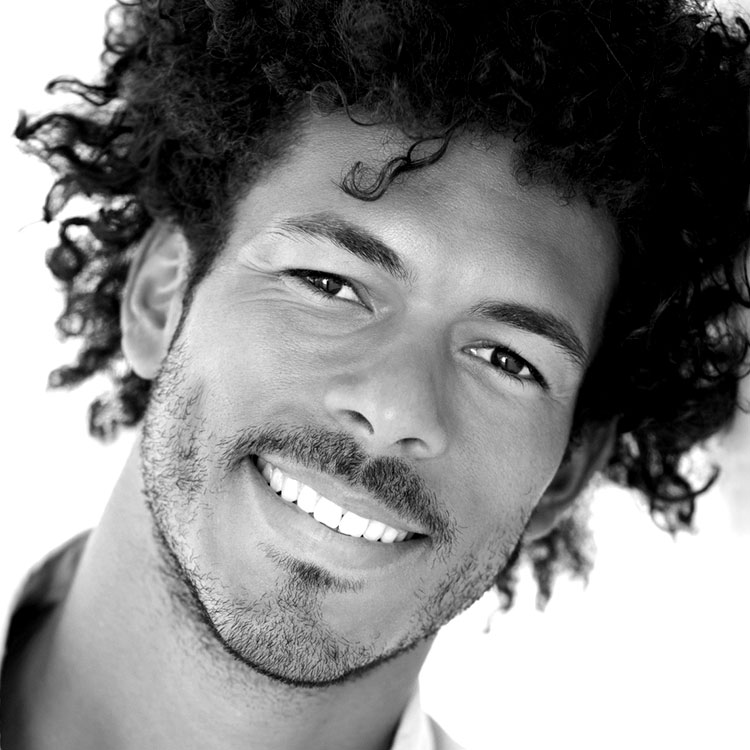
Augmentation
Often applicable to patients from ethnic groups that have under-projected nose features.
-
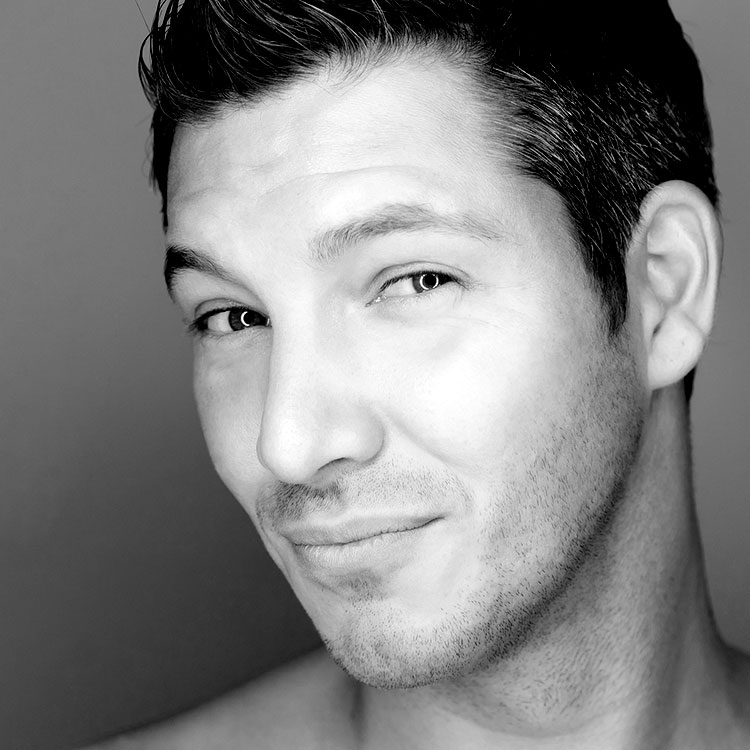
Deviated, crooked nose
Addresses disturbance in the shape and function of the nose, either developmental or caused by trauma.
-

Secondary rhinoplasty
Often referred to as revision rhinoplasty – probably one of the most complicated interventions in cosmetic surgery.
-
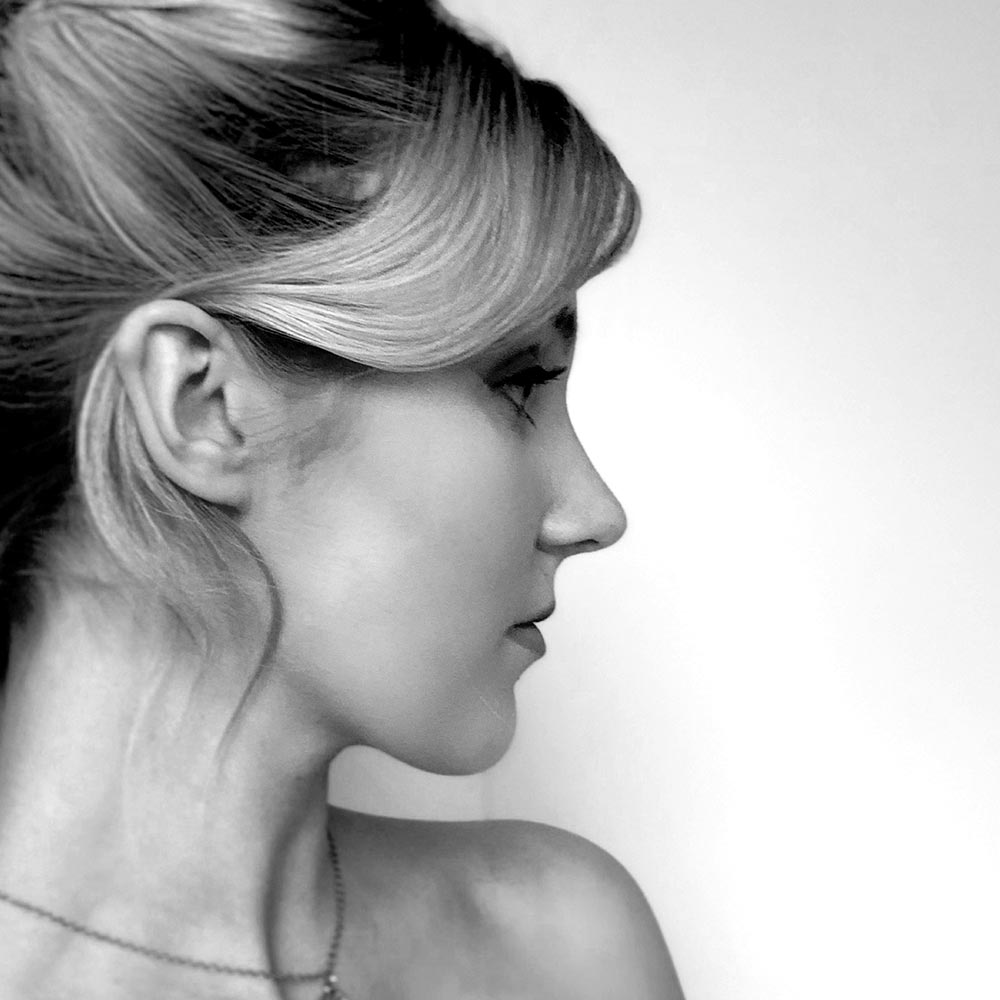
Ultrasonic rhinoplasty
Ultrasonic instrumentation developed for precise cutting or reshaping of the surface of bones.
Getting in touch
If you would like to discuss surgery, the proper next step is a consultation at Aesthetic Plastic Surgery, Aveling House, 1B Upper Wimpole Street, London W1G 6AB. Telephone 020 7486 7757.
London W1G 6AB
When you email, it helps to include a telephone number and the procedure you are interested in.